
Winton 1862: The Fire That Still Shapes Hertford County

In this post
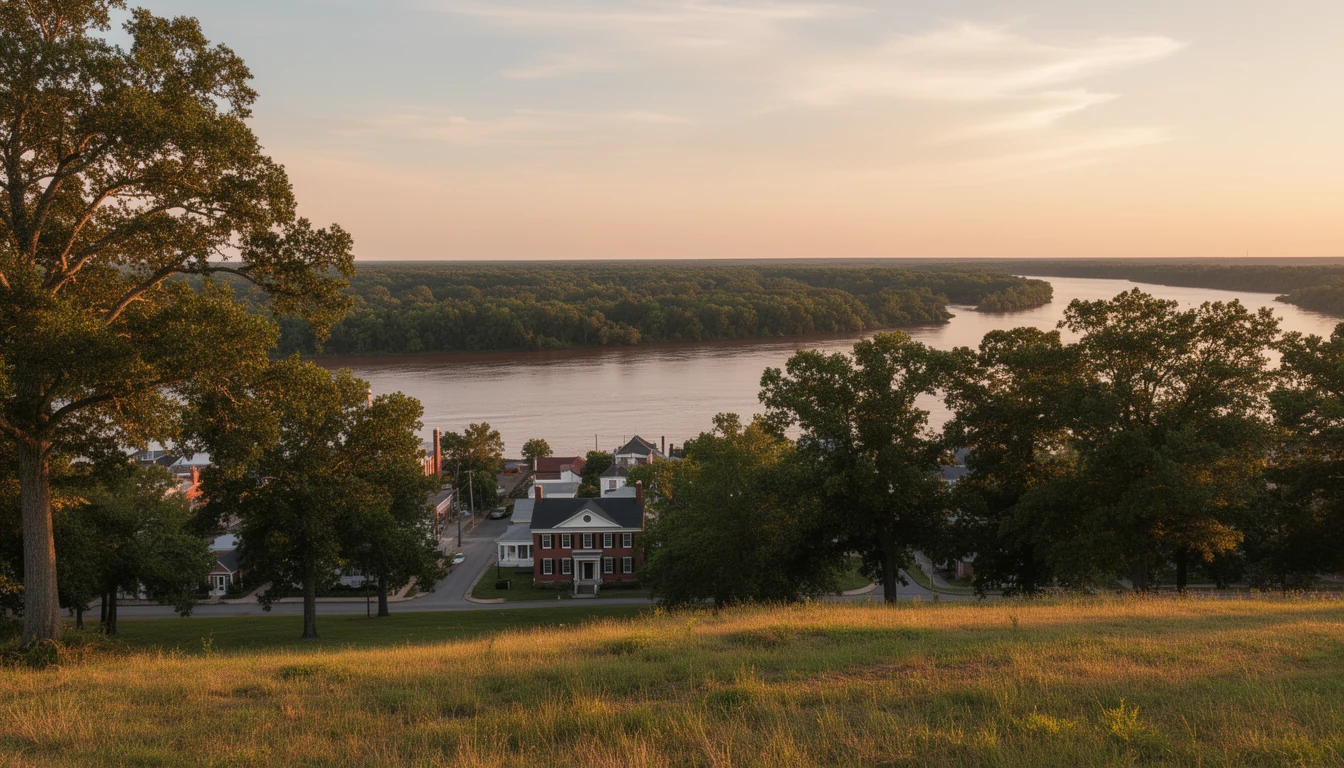
Standing on the courthouse lawn in Winton on a still morning, you can hear the Chowan River working below the bluff before you can see it. The water is wide and brown, sliding south toward the Albemarle Sound, and the town above it is quiet: brick government buildings, shade trees, more pickup trucks than people. It is hard to picture this same bluff on fire. But on February 20, 1862, nearly every building in Winton burned, making it the first North Carolina town burned by Union forces in the Civil War and the only one burned completely.
The day the gunboats came
The trouble started the day before. A flotilla of Union gunboats steamed up the Chowan River toward Winton on February 19, intent on destroying a railroad bridge upstream. Confederate soldiers on the bluff opened fire as the boats neared the town’s wharf. The volley riddled the wheelhouse of the lead gunboat but did little real damage. The gunboats pulled back downriver for the night, and Federal officers made the call: a town of about 300 people should burn.
When the flotilla returned the next morning, Winton was nearly deserted. Most residents had already fled. Soldiers came ashore, ransacked houses and stores, and set fire to the buildings that had been used for Confederate billeting and storage. The courthouse went with them. By the time the blaze burned itself out, only one small house was left standing. Word of the destruction spread fast in newspapers North and South, and one Norfolk paper called the action a “vile incendiary.”
Why the fire still shows up in a title search
Here is where 1862 stops being history and starts being practical. The fire consumed the Hertford County Courthouse and with it virtually all county records from 1830 to 1862. Older deed books are scarce too, which is why the paper trail on Hertford County land before 1862 is thin in a way title researchers know well. That gap is real, and the attorneys who close deals in this county live with it every week.
Before you let that worry you, hear the rest: for a normal purchase, it is a handled problem. A title search runs the chain at the Register of Deeds office in Winton, your closing attorney reads what is actually on file, and title insurance covers the gaps that fire and time left behind. You are not buying a mystery. You are buying a property whose full story needs a professional to piece together, and that is routine work in a county this old.
The town that came back
Winton did not disappear. The county seat stayed put on the bluff, and the town rebuilt around the courthouse square. Look at what is there now: county offices, river access at the foot of the hill, a few blocks where the pace still runs on courthouse time. And the town’s story runs deeper than the fire. Hertford County was formed in 1759 from parts of Bertie, Chowan, and Northampton Counties and named for Francis Seymour Conway, Earl of Hertford. Winton itself was laid out in 1766, first called Wynntown, on ground that had been Cotton’s Ferry, a river crossing long before any courthouse stood here.
For buyers, that long view is part of the appeal and part of the homework. Riverfront parcels around Winton offer the thing coastal North Carolina keeps repricing upward everywhere else: real proximity to big water at rural-county prices. But a bluff view can sit inside a mapped flood zone, so the checklist on any Chowan parcel starts with the FEMA map for that exact address, never the one next door. And an older house that has carried a century of river humidity deserves an inspection that treats age as a feature to understand, not a flaw to forgive.
The honest trade
What you get buying in Winton is a county seat with 160 years of come-back in its bones, river frontage that still trades at working-town prices, and neighbors who know the local story because they live inside it. What you trade is the usual rural math: you will drive for most errands, you will plan around small-town hours, and you will lean on a closing attorney who knows exactly what the 1862 gap means for your deed.
None of that is a reason to pass. It is a reason to buy with people who have done it here before. When you are ready to look at Winton or the river, Travis can pull the flood layers for a specific parcel, talk through what a title search will and will not turn up, and point you to a local attorney who treats the records gap as routine. That is what first-hand experience on this river actually buys you.
Keep reading
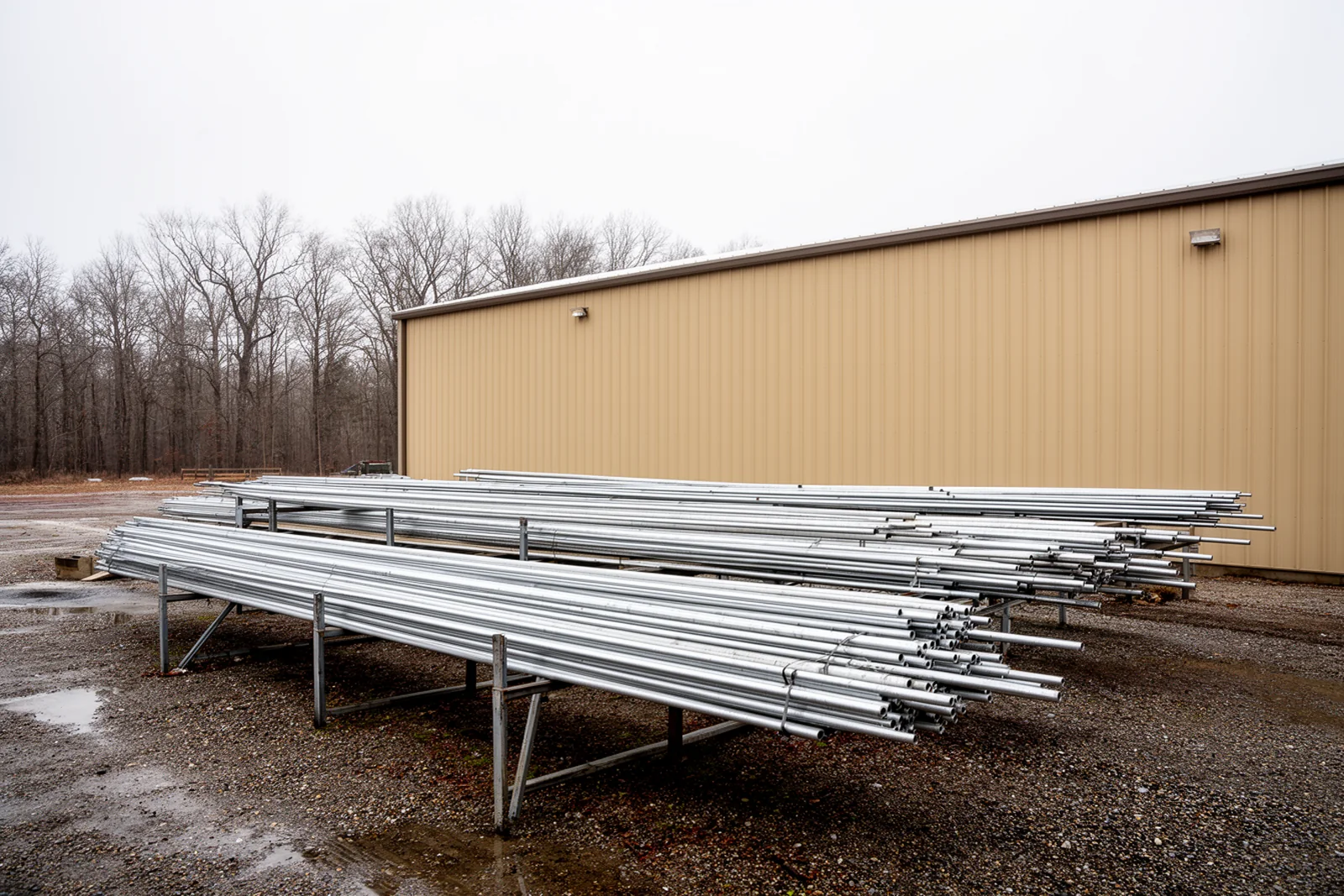
Winton Plant Becomes Second U.S. Source for Axle Tubing
Alfiniti's Winton plant now makes aluminum driveshaft tubing for three Tier-1 axle makers, refilling a supply the industry had narrowed to one producer.
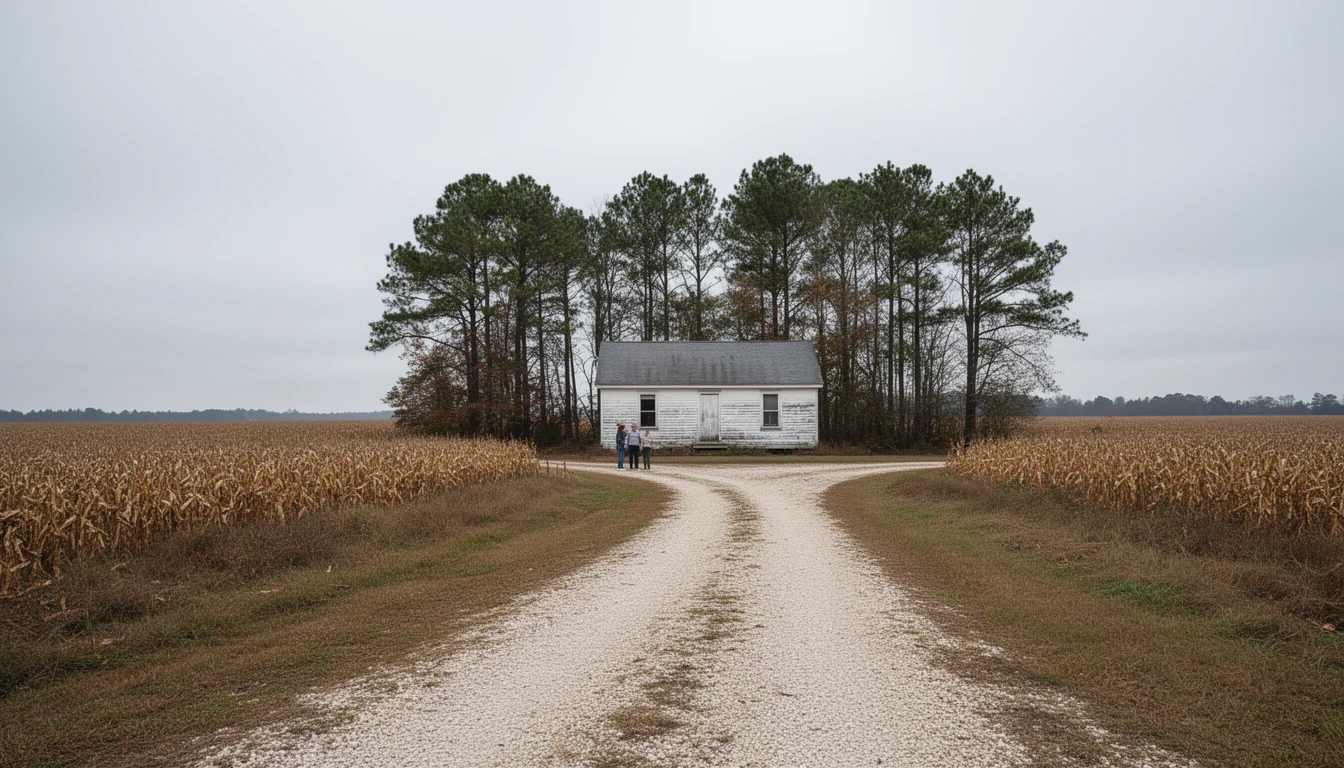
7 Signs a Rural Hertford County Listing Is Priced to Move
Seven signs a rural Hertford County listing is priced to sell: the septic file, de-titled mobile homes, price cuts, and what the land itself carries.
Commute Math from Ahoskie, Winton, and Murfreesboro
Hertford County commutes by the numbers: measured drive times from Ahoskie, Winton, and Murfreesboro to the mill, Greenville, and the Virginia line.