
ActiveHistoric
+16 photos$69,999
$68/sq ft
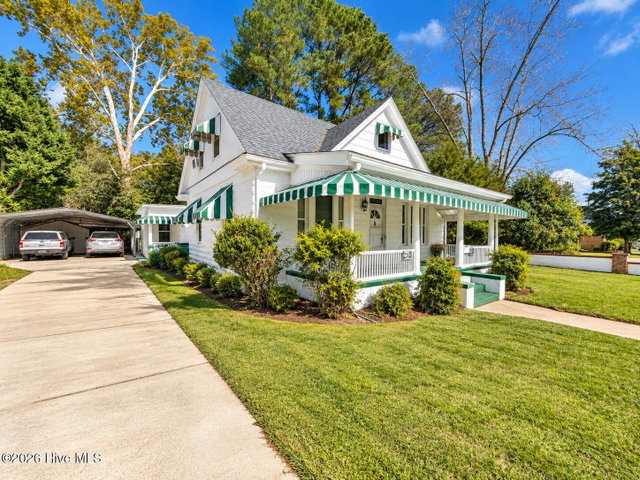
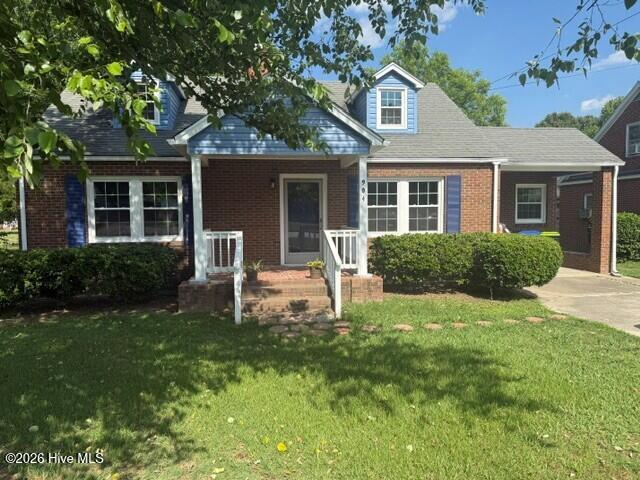
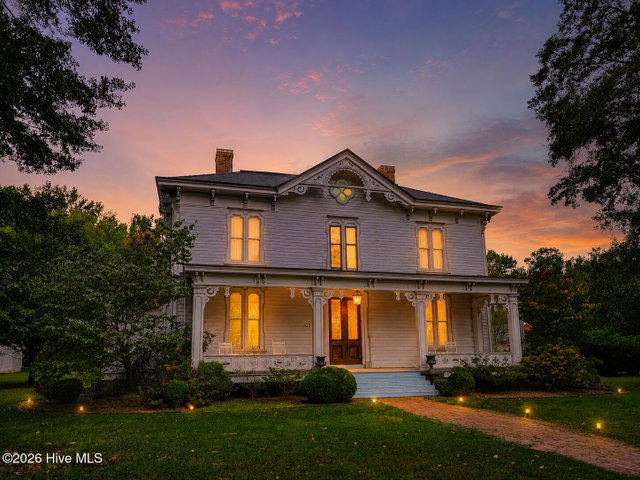
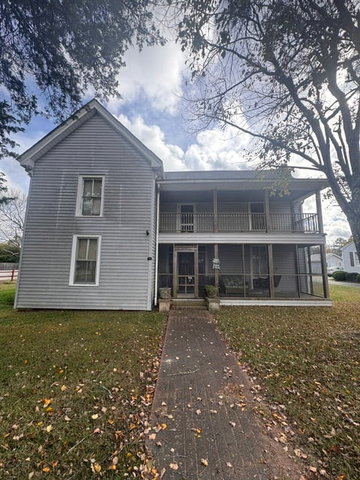
4 bd·1 ba·1,032 sq ft·0.49 ac
101 S Main Street, Winton, NC 27986
Year Built: 1900
 Free 3-page PDFHertford County Buyer FAQ
Browse
All Active ListingsEvery active Hertford County listingSearch ListingsPrice, bedrooms, type and featuresMy Saved ListEverything you have heartedBy Town
AhoskieThe region's service hubMurfreesboroChowan University and the MeherrinWintonThe county seat, on the ChowanOther TownsCofield, Harrellsville and ComoBy Category
WaterfrontChowan, Meherrin and Wiccacon frontageHistoricPre-1951 stock, and the tax-credit angleNew ConstructionNew builds in Ahoskie, Murfreesboro and WintonLand & AcreageTimber, farm and homesite tractsLotsResidential lots under 3 acresUnder $150KThe deepest end of the county's affordabilityRentals & LeasesRenting first, and commercial spaceThinking of Selling?
Hertford County Market ReportActive count, price bands, days on marketTrue Cost CalculatorTaxes, insurance, dues, upkeep and cash to closeThe Seller's BriefWhat it's worth, what it costs, how long it takesWhat It Costs to SellCommission, excise tax, fees, payoff — the real arithmeticBuyer MatchRegister your property against active buyer profilesWhat's a Buyer's Brief? A free, plain-English guide to buying here: the real costs, the rules and the trade-offs, written by a working broker.
The Places & The Anchor
1. The Employer AnchorWhat the Nucor Mill Means for Housing in Hertford County2. Ahoskie: "The Only One"Living In — or Near — the Region’s Service Hub3. Murfreesboro & Chowan UniversityCollege-Town Buying on the Meherrin River4. Winton, Cofield, Harrellsville & the RiverThe County Seat, River Frontage & Flood-Zone HonestyAll 4 chapters →The Money & The Decision
5. The Workforce Rental MathAn Investor’s Look at Rentals Near the Mill and the Hospital6. Schools & Services Straight TalkHertford County Public Schools, the Community College & Healthcare Access7. The First-Time Buyer PlaybookPayment Math and Inspection Priorities at Hertford County Price Points8. Due Diligence SpecificsFlood Certs, Wells, Septic & Manufactured-Home Titles9. Making the DecisionA Closing Framework by Buyer ProfileThe Numbers
Live Market ReportActive count, price bands, days on market23-County Regional HubCompare Hertford against all 23 Northeast & Eastern NC countiesDeep Dives
The Financing StackFirst paycheck to first house — the long versionUSDA EligibilityZero down, and where the county qualifiesFHA Loan LimitsThe 2026 limit and what it buys hereHistoric Tax CreditsThe Tier 1 bonus on income-producing rehabsDown Payment AssistanceNCHFA programs that apply hereRental InvestmentHUD fair market rents and the mathHertford County, NC
Hertford County was formed in 1759, and it still shows.
The Brief · New listings by email
A short email when something new fits. No account to make, and one click stops it.
You're on the list. The next new historic listing in Hertford County comes to your inbox.
Nothing in that era is on the market right now.
Hertford County has very few antebellum houses standing, and even fewer for sale at any given moment. Try another era, or see everything currently active.
Hertford County was formed in 1759, and it still shows. Murfreesboro was a chartered Meherrin River port by 1787 and a federal port of entry by 1790 — its National Register district holds Federal and Greek Revival houses that predate the state itself in spirit. Winton, the county seat, was burned by Union troops in February 1862, so almost everything standing there dates from the rebuild forward. Ahoskie is the youngest of the three and the largest by volume: a railroad town incorporated in 1893 whose blocks of Craftsman, Colonial Revival and Period Cottage houses are where most of this county's old stock actually is. Everything below was built 1950 or earlier.
Want more targeted matches?
Tell me a bit about what you're looking for — 30 seconds, totally optional.
Got it — thanks.