First-Time Buyer Programs in Hertford County

In this post
The biggest myth in first-time home buying is that you need 20% down. In Hertford County, of all places, that myth costs people years of renting they didn’t need to do. Between North Carolina’s state housing finance agency and the federal rural loan programs this county’s geography qualifies for, a first-time buyer with steady income and decent credit has more paths to a low- or zero-down purchase here than almost anywhere in the state. Here are the two programs that matter most, what they actually do, and how to find out if you qualify, from the official sources, not a lender’s ad.
NCHFA: the state’s programs
The North Carolina Housing Finance Agency (NCHFA) is a self-supporting state agency that runs the programs most NC first-time buyers should look at before anything else.
NC Home Advantage Mortgage. This is NCHFA’s core product: a fixed-rate mortgage (layered on FHA, USDA, VA, or conventional loans) that comes with down payment assistance of up to 3% of the loan amount, structured as a deferred second mortgage rather than a grant. It’s not limited to first-time buyers. There’s a statewide income limit, currently $158,000, and no NCHFA sales-price limit of its own on this program. The overwhelming majority of Hertford County households fall under that comfortably.
NC 1st Home Advantage Down Payment. This is the bigger swing for first-time buyers and military veterans specifically. As of this writing, it provides $15,000 in down payment assistance as a 0%-interest deferred second mortgage (no monthly payment), forgiven 20% per year in years 11 through 15, fully forgiven at year 15. Stay in the home long enough and it costs you nothing; sell or refinance early and some portion gets repaid. “First-time buyer” here means what it means in most federal definitions: you haven’t owned your principal residence in the past three years. So if you owned a home years ago and have been renting since, you may still count.
Program terms, rates, and dollar amounts change, so treat the numbers above as a snapshot and verify current figures at nchfa.com. Note that you access these programs through an NCHFA-participating lender, not by applying to the agency directly. Our NCHFA down payment assistance reference page tracks how this applies locally.
USDA: the rural loan this county was built for
The USDA Section 502 Guaranteed Loan is the other pillar, and it’s the one buyers in metro counties envy. It offers 100% financing, zero down payment, on a standard 30-year fixed mortgage for homes in eligible rural areas, for households at or below the program’s moderate-income limit (generally pegged around 115% of area median income, set county by county).
Two eligibility tests, both checkable in minutes:
- The property. The address has to sit in a USDA-eligible rural area. Hertford County is exactly the kind of rural geography the program was designed for, but eligibility is determined address by address, not county by county. Run the actual address through USDA’s official property eligibility map rather than assuming. Our Hertford County USDA eligibility page walks through it.
- Your income. USDA publishes income limits by county and household size on the same eligibility site. Check yours against the current table; don’t guess.
There’s also a lesser-known sibling, the Section 502 Direct Loan, where USDA itself is the lender and payment assistance can subsidize the rate for lower-income buyers. It’s slower and the income limits are tighter, but for the buyers it fits, nothing else comes close. Your local USDA Rural Development office handles those applications directly.
Stacking, and the order of operations
These programs aren’t either/or. An NC Home Advantage Mortgage can ride on top of a USDA-guaranteed loan, meaning a qualifying first-time buyer in Hertford County can potentially combine zero-down USDA financing with NCHFA down payment assistance applied toward closing costs. Whether that stack makes sense for you depends on rates and your cash position, which is a conversation for a lender who actually works these programs.
That’s the real advice, and it’s the unglamorous kind: the order of operations is lender first, houses second. Find a lender who is both NCHFA-participating and experienced with USDA files, and in this region the good local ones are. Get fully pre-approved before you look at a single listing. Rural underwriting has quirks (well and septic, manufactured housing titles, USDA turn times), and a lender who does two USDA loans a year will cost you a contract that a lender who does two a month would have saved.
For the full picture of every program that works here, including FHA limits and what they mean at this county’s price points, start with the financing overview, then read the first-time buyer playbook chapter for how the whole purchase actually runs, start to finish.
Keep reading
Winton Plant Becomes Second U.S. Source for Axle Tubing
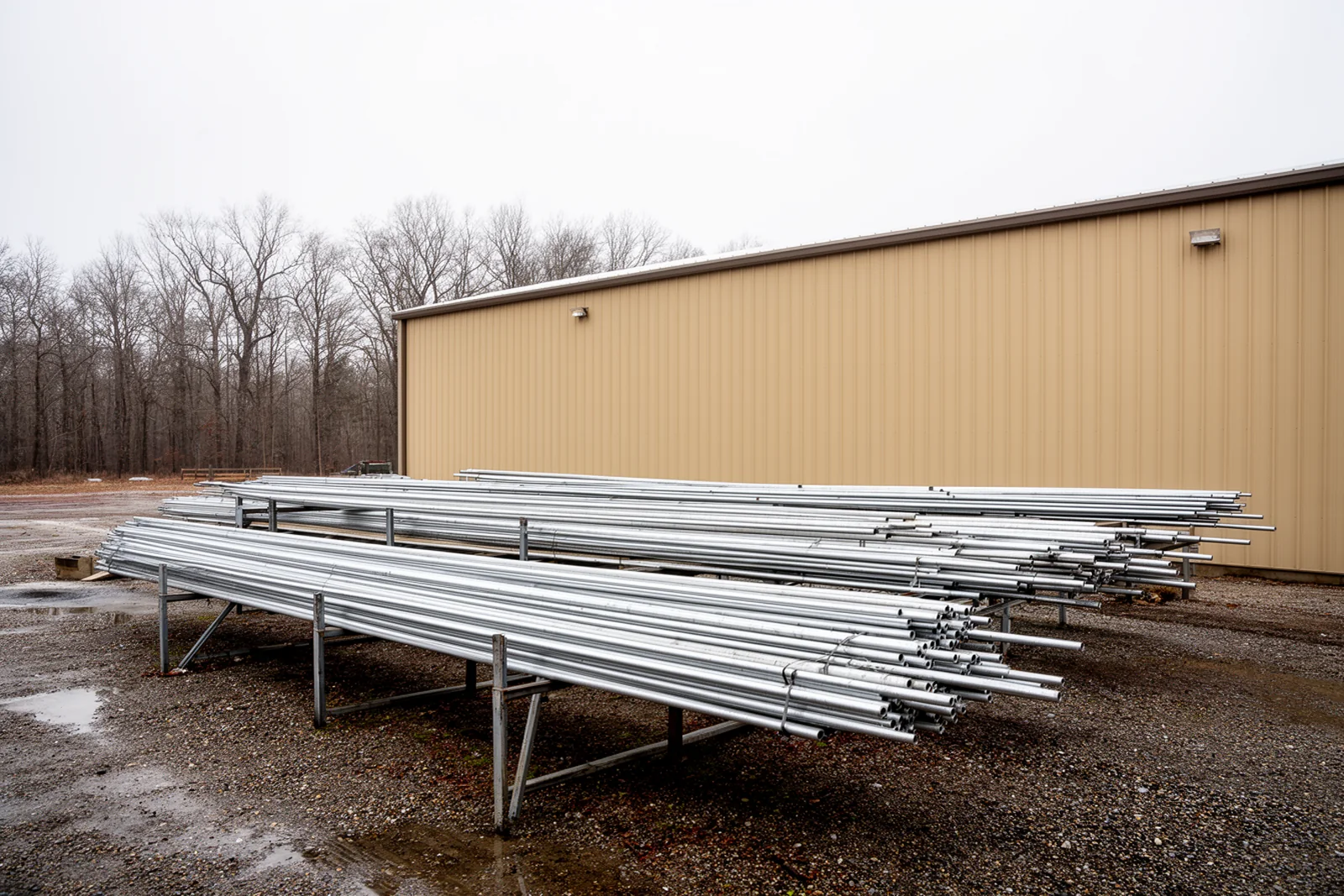
Alfiniti's Winton plant now makes aluminum driveshaft tubing for three Tier-1 axle makers, refilling a supply the industry had narrowed to one producer.
7 Signs a Rural Hertford County Listing Is Priced to Move
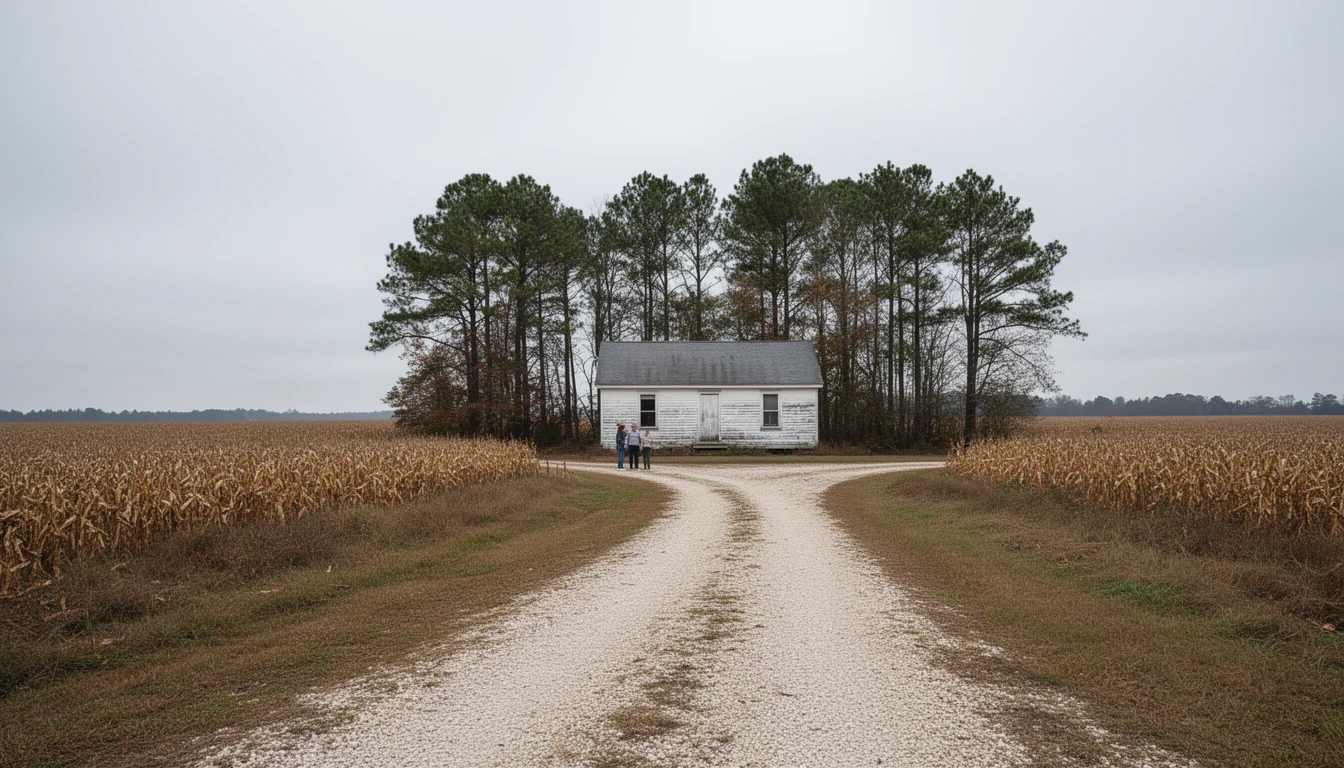
Seven signs a rural Hertford County listing is priced to sell: the septic file, de-titled mobile homes, price cuts, and what the land itself carries.
Commute Math from Ahoskie, Winton, and Murfreesboro
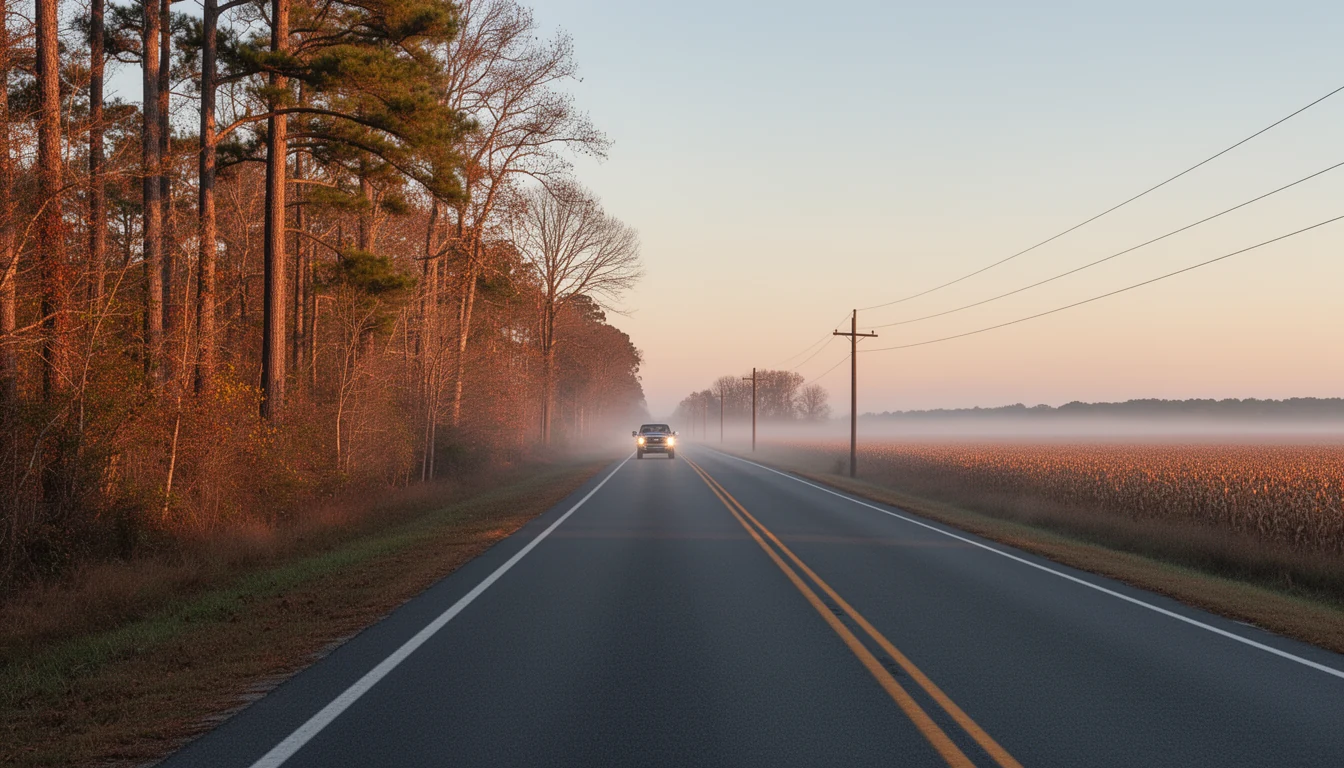
Hertford County commutes by the numbers: measured drive times from Ahoskie, Winton, and Murfreesboro to the mill, Greenville, and the Virginia line.