
Well and Septic in Hertford County: What Buyers Should Know

In this post
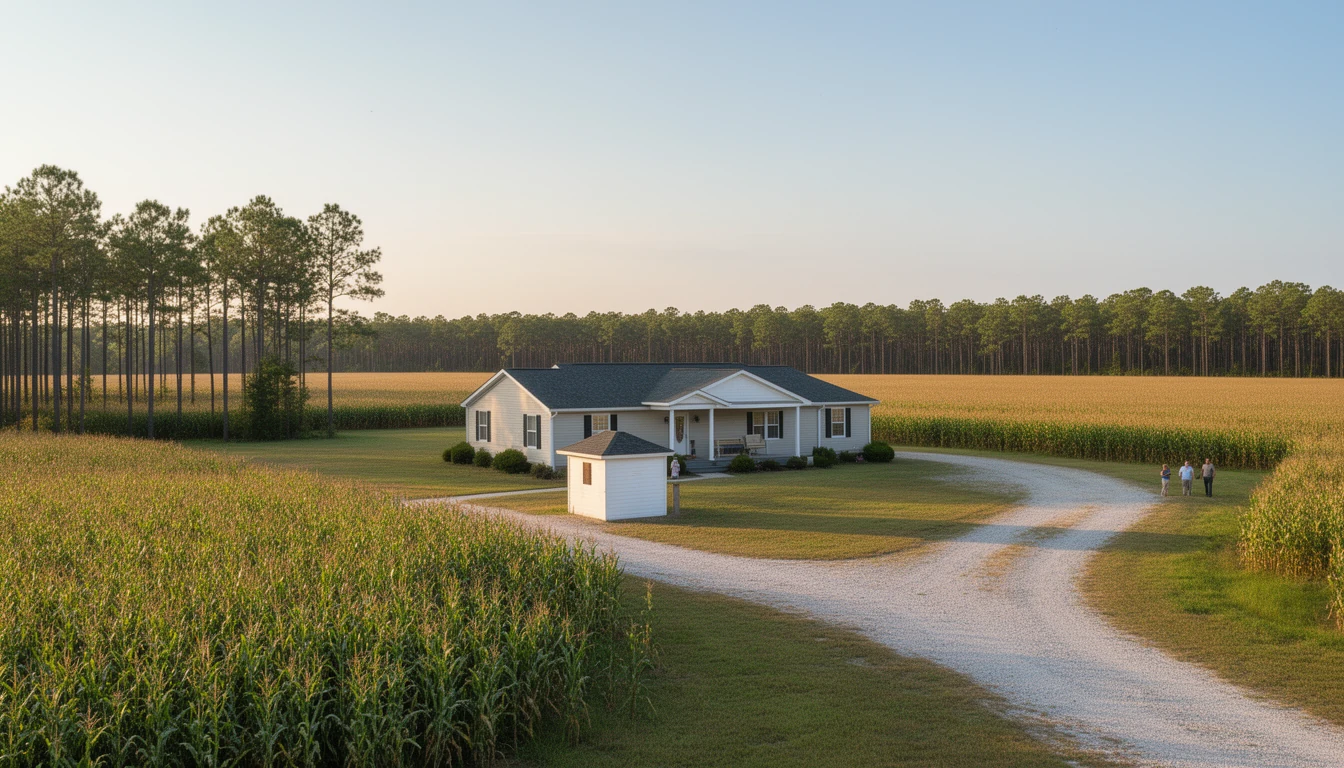
Standing on the porch of a listing outside Cofield, the first question isn’t about the roof or the paint. It’s where the water comes from and where the waste goes. In Hertford County, that answer splits cleanly at the town limits, and it changes what you inspect, what your lender asks for, and what your first year of ownership costs.
What runs where in Hertford County?
Inside the town limits of Ahoskie, Winton, and Murfreesboro, most homes connect to municipal water and sewer. Ahoskie is the county’s biggest town, about 4,900 people at the 2020 census, and its lines carry the region’s service hub: ECU Health Roanoke-Chowan Hospital, the US-13 retail corridor, and Roanoke-Chowan Community College are all in or on the edge of town1.
Step outside those limits, into places like Cofield, Como, or Harrellsville, and you’re on a private well and an on-site septic system2. That’s not a problem; it’s standard for rural North Carolina. It just changes the checklist.
What does a private well add to due diligence?
Your contract gives you a window to test the water, and you should use it. At minimum, test for bacteria, and given the region’s agricultural history, nitrates too2. Ask the seller for the well’s age and any permit or construction record. A well that’s been in service for decades can be perfectly fine; a well with no paperwork at all is worth a harder look.
What should you check on a septic system before closing?
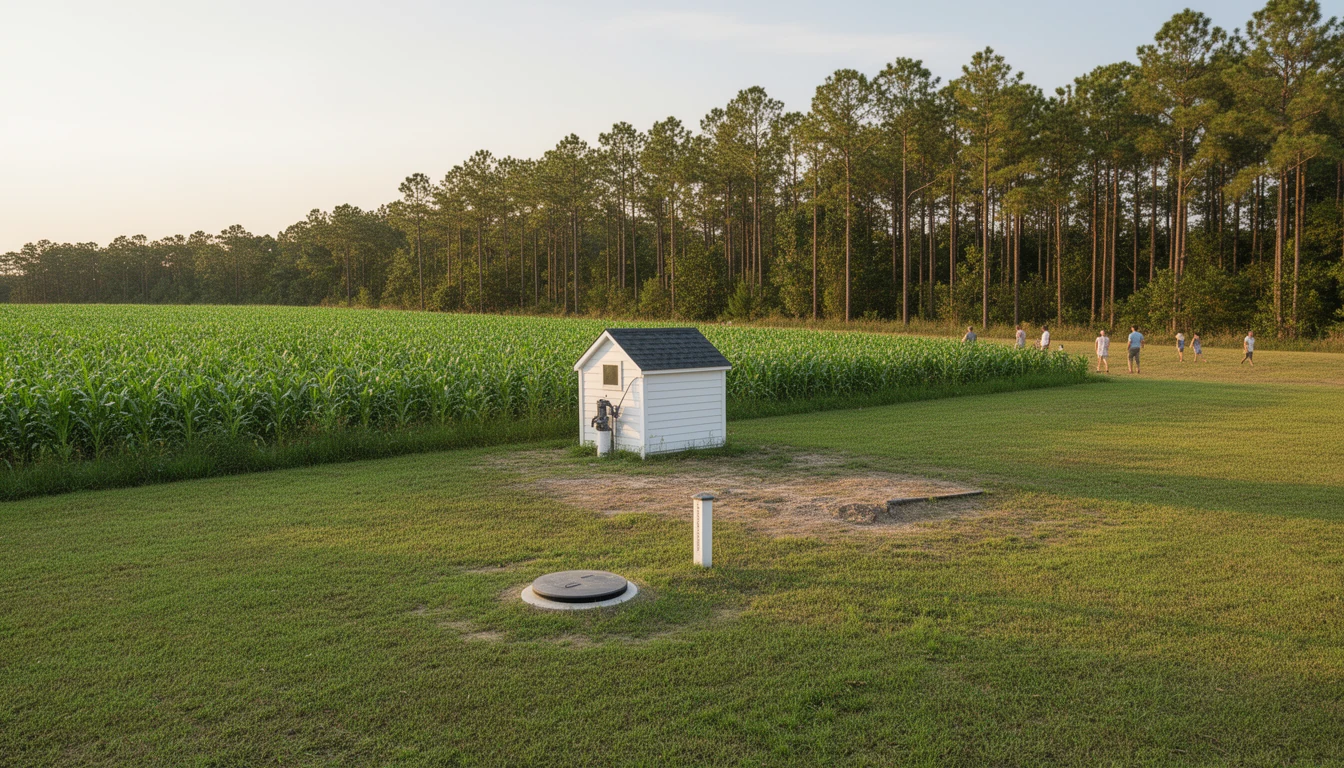
On-site wastewater systems in North Carolina are permitted through the county health department’s environmental health program, and that permit file is your friend3. Pull it during due diligence. It establishes the approved system size, including the bedroom count it was permitted for. A three-bedroom house served by a two-bedroom system is a real problem, and it happens when older homes get added onto.
Then inspect, don’t assume. Have the tank located, pumped, and inspected by a septic contractor, separate from the general home inspection. Watch for the classic drainfield failure signs: soggy or unusually lush patches over the field, slow drains, odor3. And know your repair area. If a drainfield ever fails, the fix needs suitable soil on the same parcel, which on small lots or wet ground is worth a conversation with environmental health before closing, not after.
The Bottom Line
Town limits buy simplicity: municipal water and sewer, trash pickup, shorter response times, and no pump to think about. County ground buys land and a lower tax bill, in exchange for owning your infrastructure and its maintenance1. Both are reasonable choices in Hertford County; they’re just different ownership experiences.
The checks above all fit inside a normal due-diligence window, and they’re the difference between a closing that sails and one that stalls. If you’re looking at a well-and-septic property here, Travis has walked this exact checklist on Hertford County homes and can line up the county records and the right inspectors before your clock runs out. Reach out if you have questions.
Footnotes
-
2020 US Census population figures and town-service details, Hertford County Buyer’s Brief chapters: hertfordcountybuyersbrief.com ↩ ↩2
-
Hertford County environmental health, via the Due Diligence chapter of the Hertford County Buyer’s Brief: hertfordcountybuyersbrief.com/buyers-brief/due-diligence-specifics/ ↩ ↩2
Keep reading
7 Signs a Rural Hertford County Listing Is Priced to Move
Seven signs a rural Hertford County listing is priced to sell: the septic file, de-titled mobile homes, price cuts, and what the land itself carries.

Commute Math from Ahoskie, Winton, and Murfreesboro
Hertford County commutes by the numbers: measured drive times from Ahoskie, Winton, and Murfreesboro to the mill, Greenville, and the Virginia line.
9 Things to Inspect on an Older Murfreesboro or Winton Home
An older Murfreesboro or Winton house has nine expensive surprises. Here is what to inspect, from roof age and sill rot to wiring, plumbing, and records.