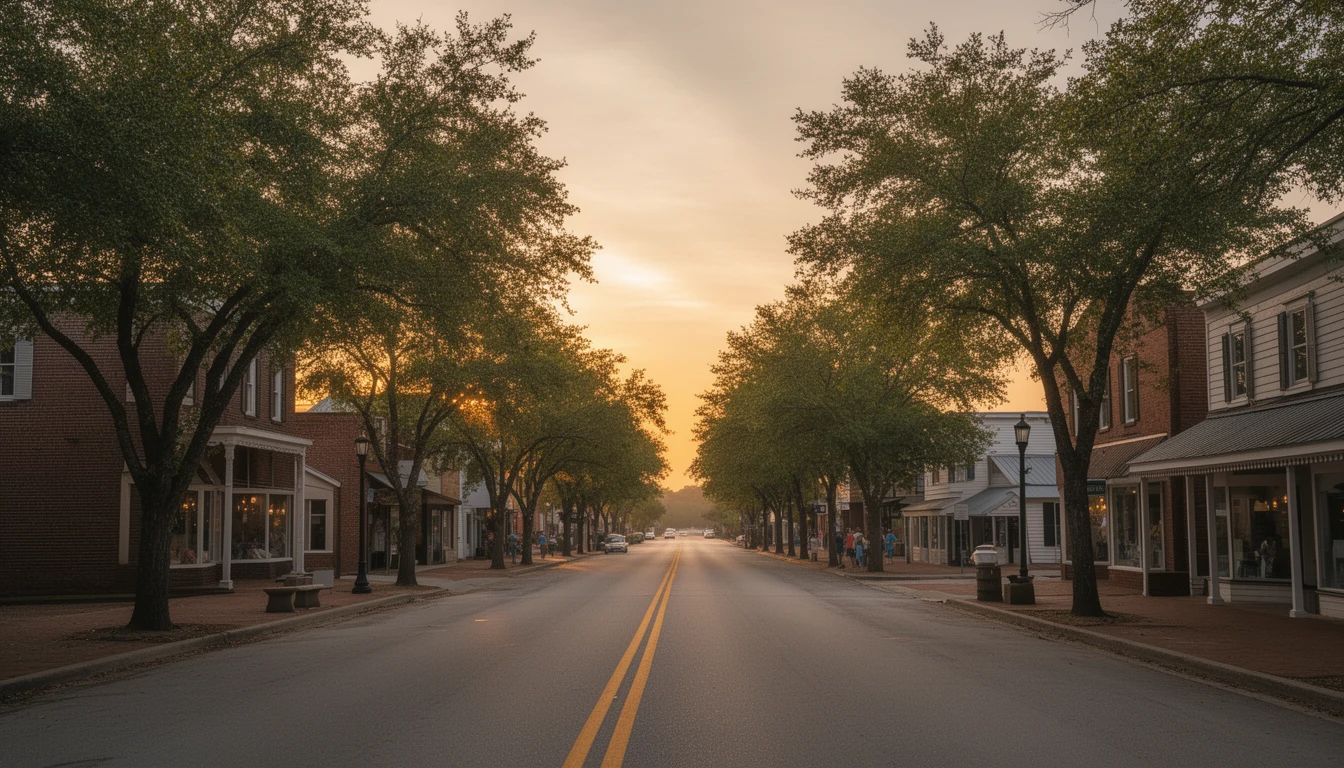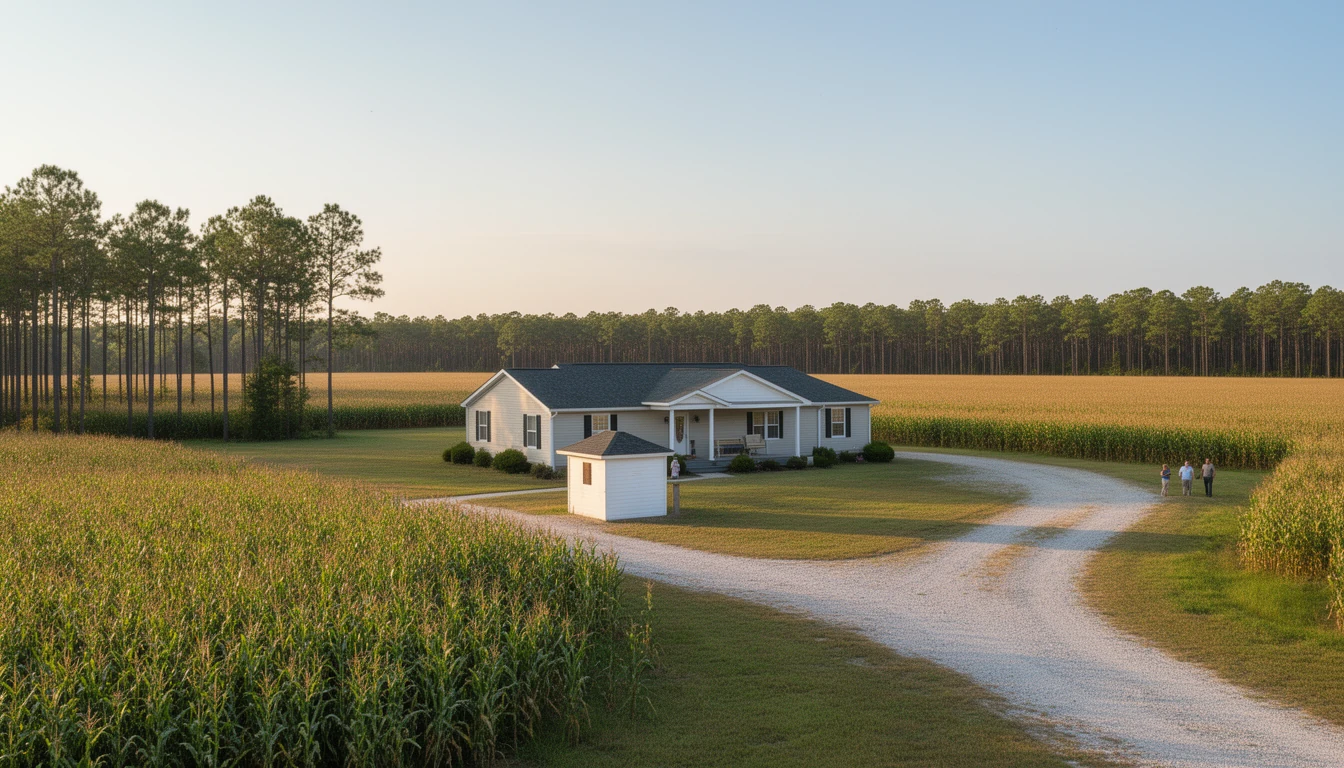


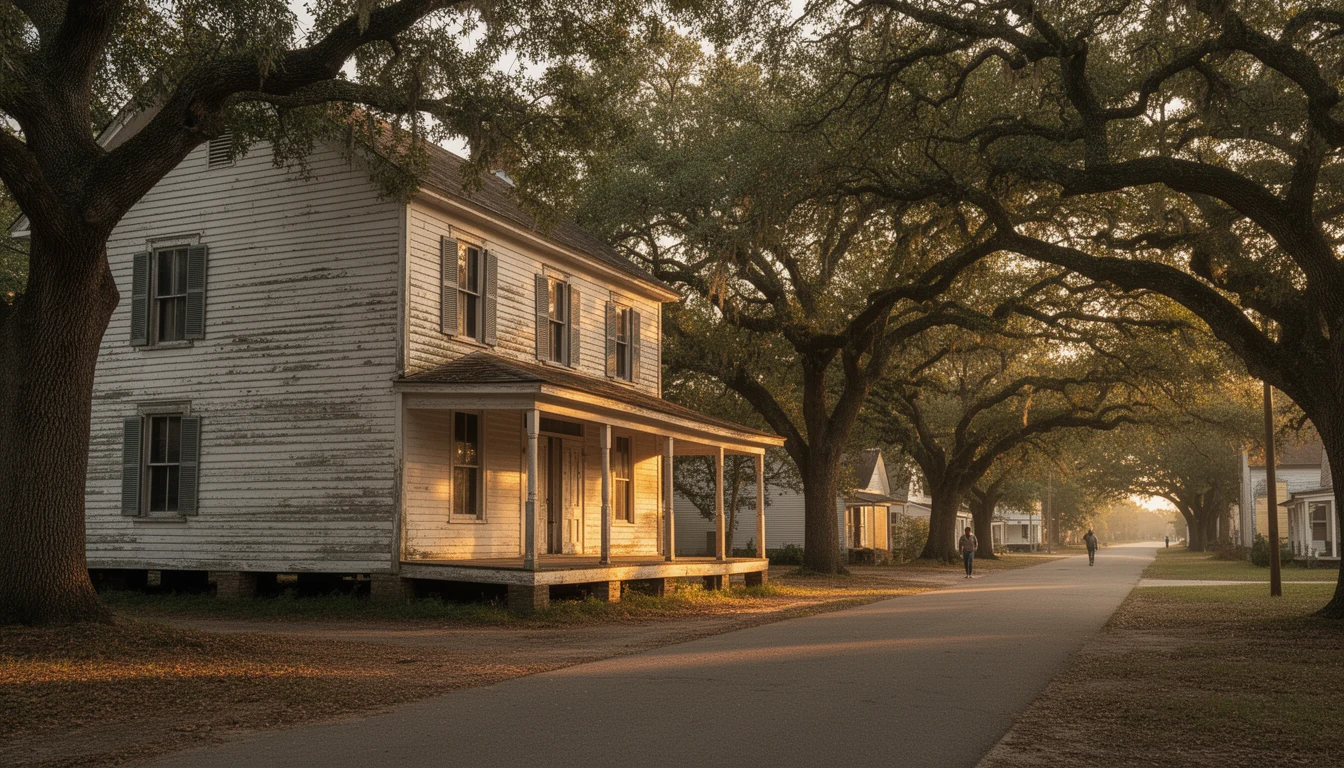
Standing on the sidewalk in front of one of the big old houses on Murfreesboro’s West Main Street, you hear the wind move through the pecans and you can already picture your furniture in the front room. Then somebody props open the crawlspace hatch and you smell wet ground.
That is the honest shape of buying an older home in Hertford County. Murfreesboro’s historic district made the National Register in 1971 and covers roughly 100 acres of the old river port. Winton, the county seat, holds a bluff over the Chowan with houses older than anything around them. It is the most interesting housing stock in the county, at prices the well-known coastal history towns stopped offering years ago. What none of it comes with is a maintenance schedule. A 120-year-old house is a system of systems, and unless someone has already replaced them, you are buying every one of them. Here are the nine things I walk with buyers before they write an offer, roughly in the order they cost money.
1. The roof, including how it went on
Ask the age, and get it from paper: a permit record, an invoice, a line on the last closing statement. Then ask whether the last roof was a tear-off or a layer-over. A tear-off sends the old shingles to the dump and gives whoever installed the new roof a chance to look at the sheathing underneath. A layer-over leaves two roofs on the house and a shorter clock on both. Insurers have gotten serious about roof age, and a roof at the end of its life can change what you pay at closing, so this is a loan question as much as a maintenance question.
2. Rot at the sills, the porches, and the trim
Eastern North Carolina humidity does not take a year off. Look at the sill plates, the porch framing, the window trim, and the corners where a gutter has been overflowing since the last owner. Paint hides more than it reveals, so probe instead of looking. Push a screwdriver into the base of a porch post and see what the wood tells you. On a house near the Meherrin or up on the Winton bluff, add the band joist and the framing under the first-floor windows, because wind-driven rain off the water finds those first.
3. The electrical service and the panel
A 1920s house wired for lamps and then loaded with central air, an electric range, and a heat pump is running a modern life on a service nobody sized for it. Check the amperage on the main breaker, the age and brand of the panel, and whether anyone has double-tapped a breaker to add a circuit. Some panel brands turn into underwriting questions when you shop for insurance, and an undersized service is a real number, not a rounding error. A panel evaluation costs a few hundred dollars. A service upgrade costs several thousand, and you want to know which one you are buying before you commit.
4. The wiring behind the panel
The panel is the visible tenth of it. The rest is behind the plaster: old knob-and-tube, cloth-wrapped conductors that have gone brittle, aluminum branch circuits, two-prong receptacles with no equipment ground, and additions spliced in by somebody with more confidence than code knowledge. Pull a switch plate or two, and have the inspector photograph whatever is exposed in the attic and the crawlspace. Insurance carriers ask about some of these by name, and it is far better to find out while you can still negotiate than after you have paid for an appraisal.
5. Plumbing supply and drain materials
Three questions, all answerable in one afternoon. What is the supply piping: galvanized steel that has been rusting from the inside out for decades, or something newer? Is there any gray polybutylene supply line left in the walls, which has a failure history insurers know about? What are the drains: cast iron that has served for generations, or plastic? If the main drain line is in question, a camera scope costs a fraction of what a torn-up yard costs, and it is the only answer worth anything. Ask when the water heater was replaced, and locate the main shut-off before the first cold snap finds it for you.
6. Crawlspace moisture
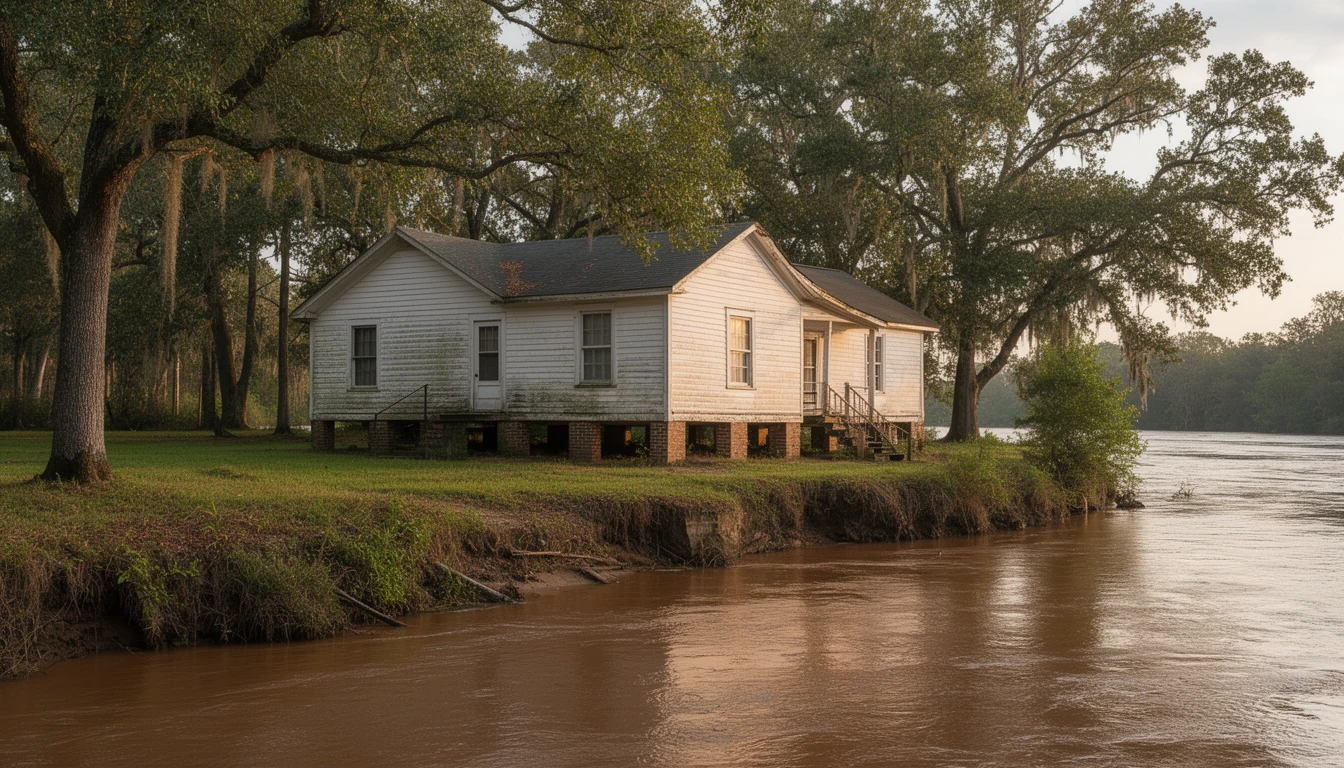
Most older stock in these two towns sits on a raised foundation or a crawlspace, and moisture under the floor is the root cause behind half the rest of this list. Standing water, a vapor barrier that is missing or torn, fungal growth on the joists, ductwork rusting from the outside in, insulation sagging away from the floor: all of it is visible from under the house. Insist the inspector actually goes under, and ask for photos of what they saw. A report that says the crawlspace was not fully accessible is not an answer. It is a gap you are agreeing to buy.
7. Wood-destroying insects, and what the report actually says
Ask for a Wood Destroying Insect Report. In North Carolina, that report (Form WDIR 100) can only be issued by an operator licensed by the Structural Pest Control Division of the state Department of Agriculture and Consumer Services, and it reports visible evidence at the time of the inspection. It is not a warranty, and it excludes hidden areas. The state’s own guidance is blunt about the part buyers get wrong: most North Carolina homes more than ten to fifteen years old will show some evidence of wood-destroying insects, so a report that finds old activity is a conversation, not a verdict. If there is evidence in the sills or the joists, get two opinions. The pest operator tells you about the insects, and a builder or an engineer tells you about the wood.
8. Windows, insulation, and the envelope
Original single-pane wood windows, no wall insulation, and a floor plan that was designed around open windows and shade trees. None of that is a deal-killer. It is a monthly cost, and in a house this old the money usually goes further first on attic insulation, air sealing, and storm windows than on a full window replacement, which is priced per opening and adds up quickly. Walk the house on a cold morning if you can, and notice which rooms you would not want to pay to heat.
9. The paper trail, which is thinner here than you would expect
Winton was burned by Union troops on February 20, 1862, the first North Carolina town burned by Federal forces in the Civil War and the only one burned completely. The county’s records burned with it, so the paper trail on Hertford County land before 1862 is thin in a way title researchers know well. That is a problem to handle, not a reason to walk away, and it is exactly why your attorney’s title work and a current survey matter more here than they do in a subdivision where every lot has been platted twice.
Three more documents belong in the same folder. If the house sits inside the Murfreesboro Historic District, call the town before you plan the new porch and ask what review applies to exterior changes. If it sits outside the town limits, pull the septic permit record from Hertford County environmental health, because the file tells you how many bedrooms the county thinks the system serves, and a three-bedroom listing on a two-bedroom system is a problem with a price tag. And for anything built before 1978, federal law requires a lead-based paint disclosure and pamphlet, which covers most of the housing stock in both towns.
The honest trade-off
None of this makes an old house a bad buy. It is the reason the price is what it is: the market is pricing the catch-up work on top of the charm, and the charm is real. An inspection report on a 1910 house is a to-do list with a schedule, not a rejection letter. At this price point, a seller who gets an informed offer and a repair credit request usually deals, because the next buyer’s inspector will find the same nine things. The mistake is falling for the house and meeting the maintenance afterward. Price both before you sign.
The bottom line
Travis holds a North Carolina General Contractor license alongside his broker license, and he has spent more than 20 years working on houses in this part of North Carolina. He can go under the house with you, tell you which findings are negotiation facts and which are walk-aways, and line up a licensed NC home inspector, a pest operator, and the county records before your due-diligence clock starts. Call or text (252) 202-4945, or schedule a chat. For the full walkthrough, start with the Murfreesboro and Chowan University chapter and the Winton and river chapter.